If the brief evolves, don’t panic – embrace the opportunity
How staying open to new ideas helped a council unlock more value from a fleet decarbonisation project
“Scope creep.” Two words that neither client nor consultancy enjoy hearing. It foretells delayed or over delivery, extra costs and carefully laid project plans heading south. Instinctively, the need to stick tightly to that original plan is something we all collectively desire. It certainly feels like the safe option.
But what about those unforeseen opportunities that appear as the project evolves? The new information emerging. The conversations that reveal unexpected connections. The ideas that were not part of the original brief but suddenly make a lot of sense. Would ignoring all of this potential be tantamount to shooting yourself in the foot?
We see this often in our work with clients. Organisations come to us with a clear idea of what they want to achieve from marketing or community engagement, but through discussion and exploration new possibilities start to surface.
Our recent project with Huntingdonshire District Council (HDC) is a great example of why staying open to those possibilities can unlock something far more valuable than the original plan. What’s interesting about this story is that a willingness to embrace unexpected opportunities was something that HDC experienced before they even came to us.
A practical project with a clear goal
Achieving net zero by 2050 is the target our government is legally committed to. Many councils, including Huntingdonshire District Council are already working towards an earlier delivery of that goal. After declaring a climate emergency, HDC committed to reaching net zero by 2040. Analysis revealed that its vehicle fleet accounted for more than a third of its carbon footprint, so reducing fleet emissions became a priority.
The council began trialling hydrotreated vegetable oil (HVO) as a lower carbon alternative to diesel. The results were convincing. In September 2025, the council voted unanimously to switch its entire operational and pool fleet of 95 vehicles to HVO, cutting fleet emissions by more than 80 percent.
Alongside the council’s own trial, local emergency services were invited to test the fuel in their vehicles. Cambridgeshire Fire and Rescue and Cambridgeshire Constabulary both participated and quickly found that HVO performed well in operational conditions.
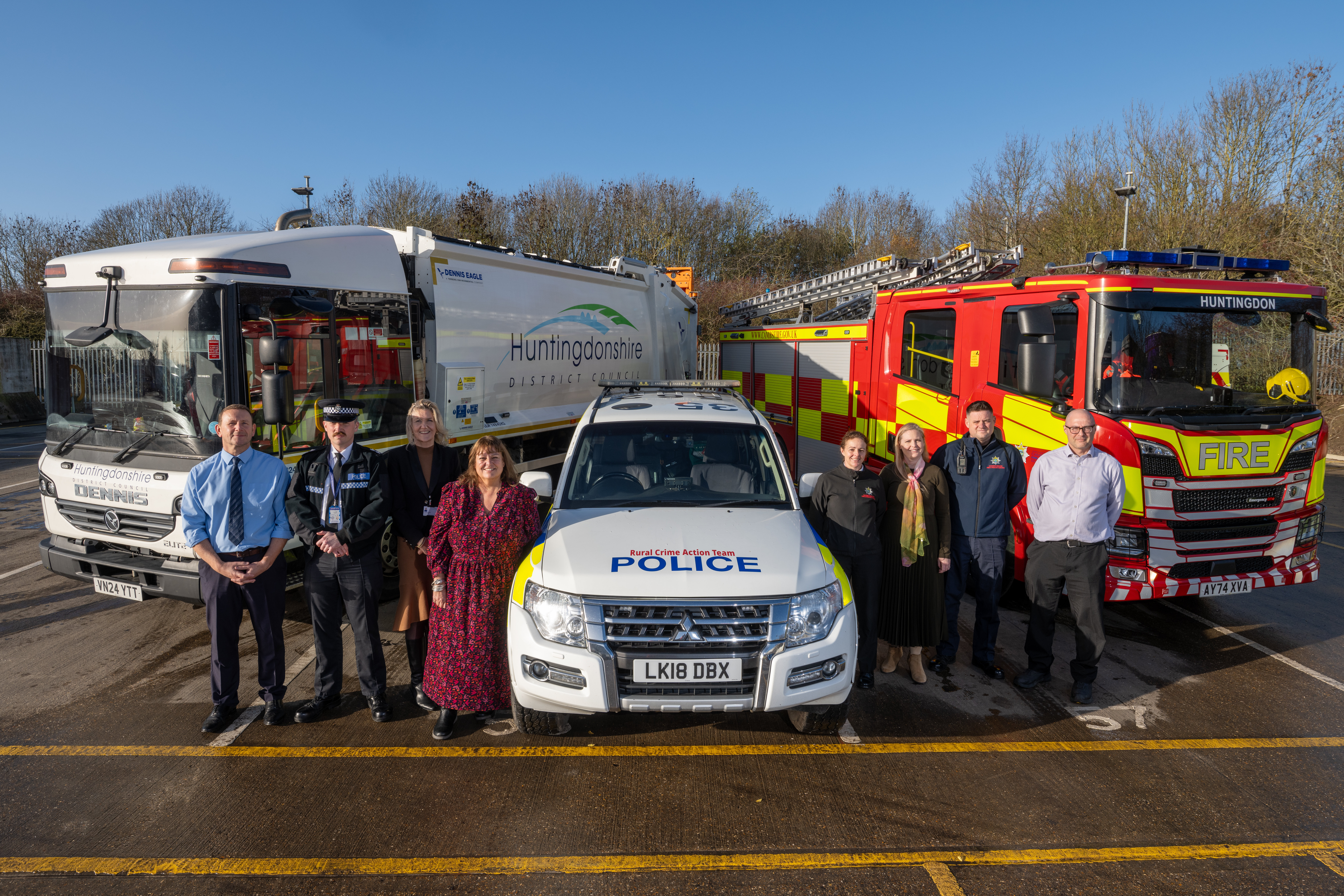
HDC celebrate the successful pilot and roll-out of the HVO project
The trial achieved what it set out to do. But something else had started to happen.
When collaboration reveals new opportunities
What began as conversations about fuel quickly expanded into something broader. As teams from the council, police and fire service worked together, they discovered they shared many of the same operational challenges. Running large vehicle fleets, maintaining equipment and delivering public services around the clock created similar pressures for each organisation.
Discussions about fuel logistics soon turned into conversations about infrastructure, maintenance and the potential to share resources.
The partnership had started with a simple goal, testing a new fuel. But by staying open to collaboration, the organisations discovered opportunities that had not been part of the original plan.
It’s not moving the goal posts, it’s adjusting and widening them
A similar shift happened when HDC approached us. They knew they had a good story to tell and the goal was clear – let people know what had been achieved through their HVO pilot and roll-out. But as we talked through the project together, it became clear that the real value of the story lay in the learning behind it. Beyond celebrating what had been achieved, we identified that the team had insight and experience, particularly in the blue lights partnership aspect of their story, that other councils and public sector organisations could learn from. So we suggested taking the idea one step further. Instead of simply publishing the results of the trial, why not create a space where other organisations could hear directly from the people involved?
The value of bringing people together
Together with HDC and their partners, we organised a face to face event where local authorities and public sector organisations could explore the project in more detail.
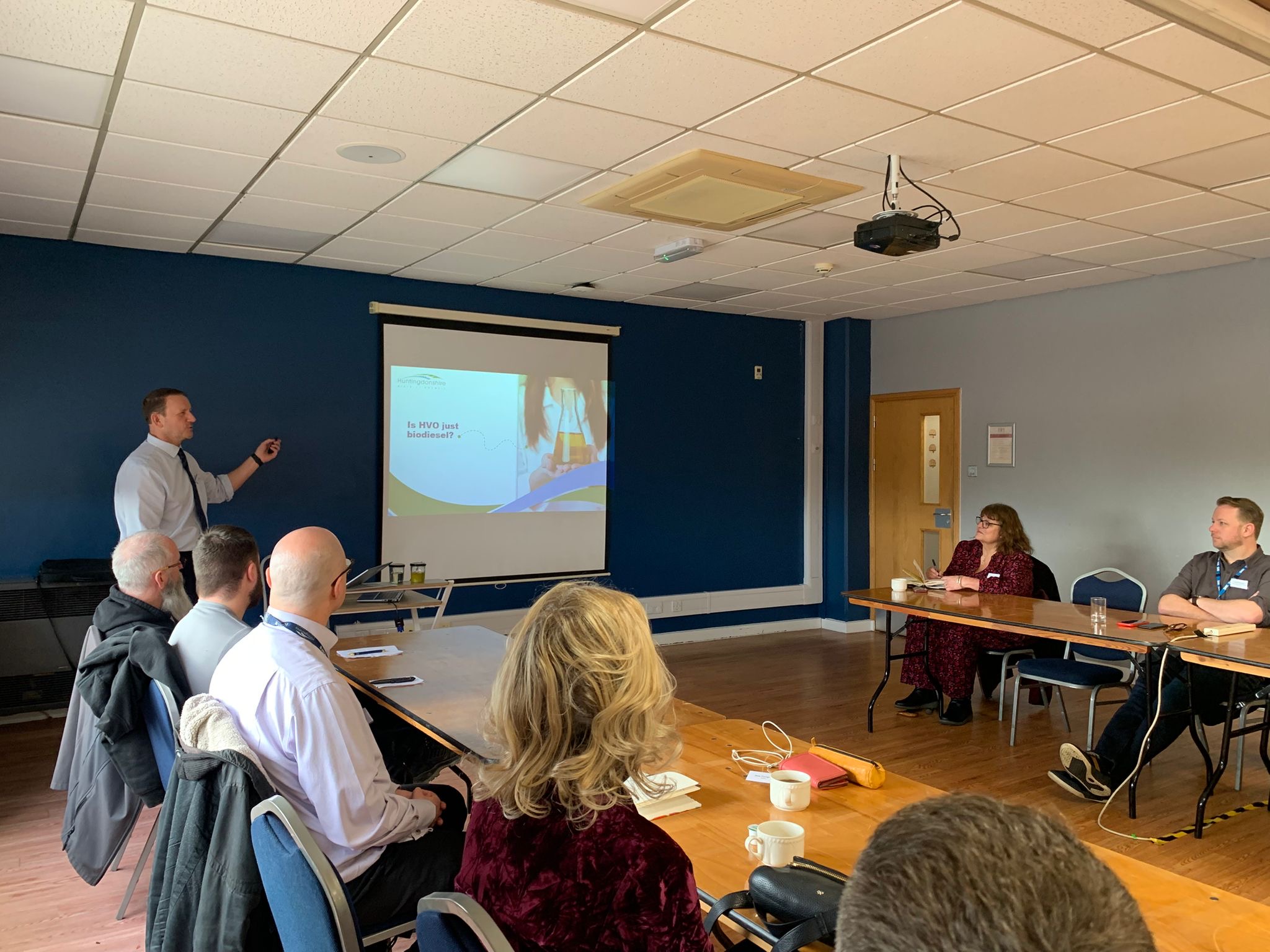
HDC’s stakeholder event: A cleaner, greener fleet – HDC’s story of switching to Hydrotreated Vegetable Oil (HVO)
A short presentation set the scene, then the focus shifted to open conversation. People spoke candidly about the realities of fleet decarbonisation, the operational challenges involved and the lessons learned through the trial. Those conversations proved to be just as valuable as the original project itself. Delegates left with practical insight, new connections and the reassurance that many of the challenges they faced were shared across the sector.
Have enough flexibility to stay open to new ideas
Looking back, it is clear that two things helped this project create more impact than originally expected. First, the council invited partners into the process rather than working in isolation. Second, everyone involved remained open to the idea that the project might lead somewhere new. The HVO trial started as a technical experiment and evolved to become a partnership. Ultimately it became a shared learning opportunity for others in the sector. None of that would have happened if everyone had stuck rigidly to the original brief.
The lesson? Good planning is important. But so is curiosity.
When organisations remain open to new ideas, projects often reveal opportunities that were impossible to see at the beginning. Sometimes the best outcomes are not the ones you planned for, they’re the ones you discover along the way.